
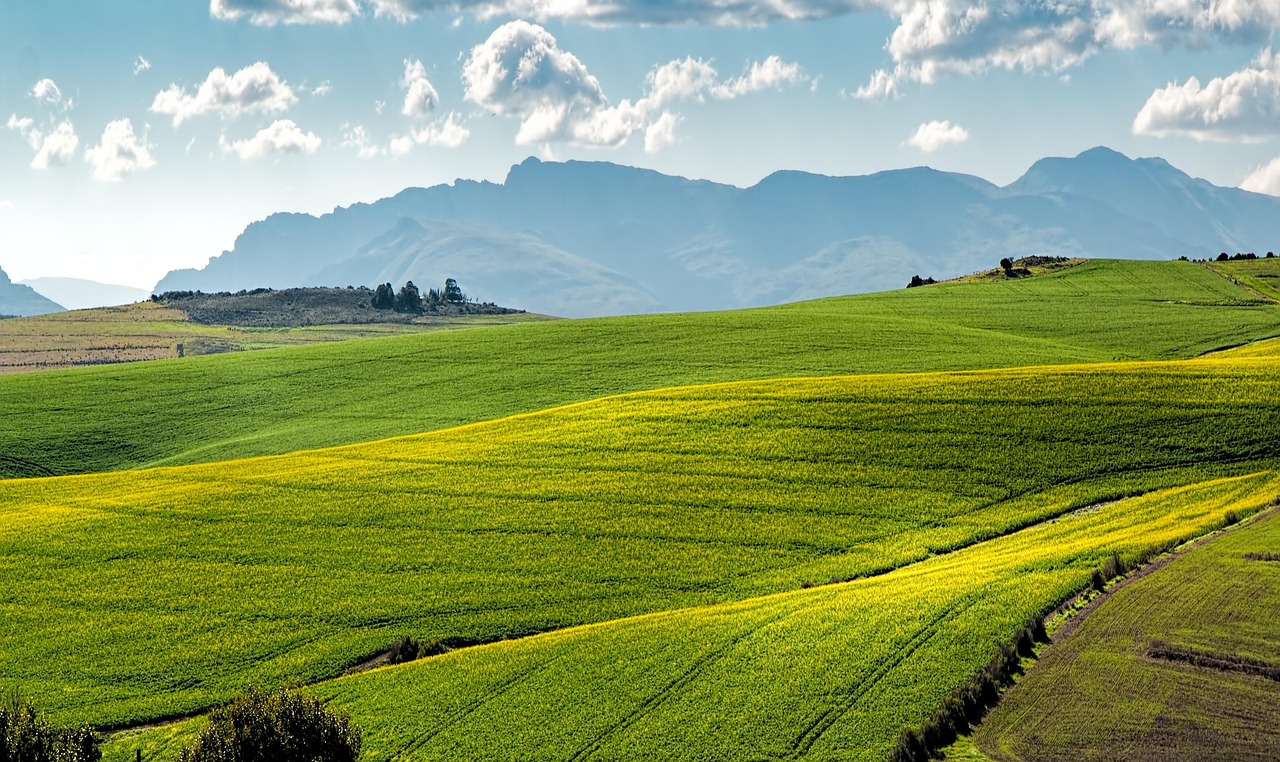
Agriculture has experienced a remarkable transformation over the past few decades. Traditional farming methods are now being replaced and supported by modern technologies, innovative equipment, and data-driven solutions that make farming more efficient, productive, and sustainable. Modern agriculture is not only helping farmers increase crop yields but also improving resource management and reducing environmental impact.
Today, farmers face many challenges such as climate change, water scarcity, rising production costs, and increasing food demand. To overcome these challenges, the agricultural sector is adopting advanced farming practices that improve productivity while protecting natural resources. This shift towards smart and modern agriculture is transforming the future of farming worldwide.
The Evolution of Modern Agriculture
Earlier, farming mainly depended on manual labor, seasonal experience, and traditional cultivation methods. While these practices were effective for many years, they often resulted in lower productivity and inefficient resource usage. Modern agriculture combines traditional farming knowledge with advanced technology to improve farming operations and decision-making.
Technologies such as automation, precision farming, smart irrigation systems, drones, and digital monitoring tools are helping farmers manage their farms more effectively. These innovations allow farmers to monitor crop health, weather conditions, soil quality, and water usage in real time, leading to better agricultural outcomes.
Smart Farming Technologies
Modern agriculture is driven by technology. Smart farming solutions are helping farmers improve efficiency and maximize productivity while reducing operational costs.
Precision Farming
Precision farming uses advanced tools and data analysis to monitor field conditions accurately. Farmers can identify which areas require water, fertilizers, or pesticides, helping reduce waste and improve crop quality.
Smart Irrigation Systems
Water management is one of the biggest concerns in agriculture. Smart irrigation systems provide crops with the right amount of water at the right time, reducing water wastage and supporting sustainable farming practices.
Automation and Modern Machinery
Modern agricultural machinery and automated systems reduce manual labor and save time. Tractors, harvesters, and automated planting systems improve farming efficiency and help farmers complete tasks more accurately and quickly.
Drone and Sensor Technology
Drones and agricultural sensors help monitor large farming areas efficiently. These technologies provide real-time information about crop health, soil moisture, and pest issues, allowing farmers to take immediate action when needed.
Increased Productivity and Efficiency
One of the biggest benefits of modern agriculture is improved productivity. Advanced technologies help farmers grow more crops with better quality while using fewer resources. Farmers can monitor crop performance, detect diseases early, and optimize farming operations to increase overall efficiency.
Modern farming methods also reduce post-harvest losses and improve supply chain management, ensuring agricultural products reach markets in better condition.
Sustainable and Eco-Friendly Farming
Sustainability is becoming a major focus in agriculture. Modern farming practices encourage efficient use of water, fertilizers, and energy resources while reducing pollution and environmental damage. Eco-friendly agricultural solutions help preserve soil fertility and protect ecosystems for future generations.
By adopting sustainable farming methods, farmers can achieve long-term agricultural growth while maintaining environmental balance. Modern agriculture supports both productivity and environmental responsibility.
Benefits of Modern Agriculture
Improved Crop Yields
Advanced technologies help farmers produce higher-quality crops with increased productivity.
Better Resource Management
Smart farming solutions optimize the use of water, fertilizers, and energy resources.
Reduced Operational Costs
Automation and precision farming reduce labor costs and minimize resource wastage.
Enhanced Soil Health
Eco-friendly farming methods help maintain soil fertility and long-term agricultural sustainability.
Faster Decision-Making
Real-time data and monitoring systems allow farmers to make accurate and timely farming decisions.
The Future of Farming
The future of agriculture depends on innovation and sustainability. As technology continues to evolve, farming will become more efficient, automated, and environmentally responsible. Artificial intelligence, data analytics, robotics, and smart agricultural systems will continue transforming the farming industry in the coming years.
At Agro Greenova, we believe in supporting this transformation by promoting innovative and sustainable agricultural solutions. Our mission is to empower agriculture with innovation and help farmers build a smarter and greener future.
Conclusion
Modern agriculture is revolutionizing farming through technology, innovation, and sustainable practices. By adopting smart farming solutions, farmers can improve productivity, reduce costs, conserve resources, and protect the environment. The transformation of agriculture is creating a stronger and more sustainable future for farmers and communities around the world.
