
Agriculture is the backbone of many economies and the primary source of food for the growing population of the world. Traditional farming methods were mainly dependent on natural rainfall, manual labor, and conventional tools. However, with increasing population, climate change, decreasing soil fertility, and water scarcity, agriculture has evolved significantly. Improved methods of agriculture are modern scientific techniques and practices that increase crop production, improve quality, conserve natural resources, and ensure sustainable development.
These methods combine technology, environmental awareness, and scientific management to make farming more efficient and profitable.
1. Precision Farming
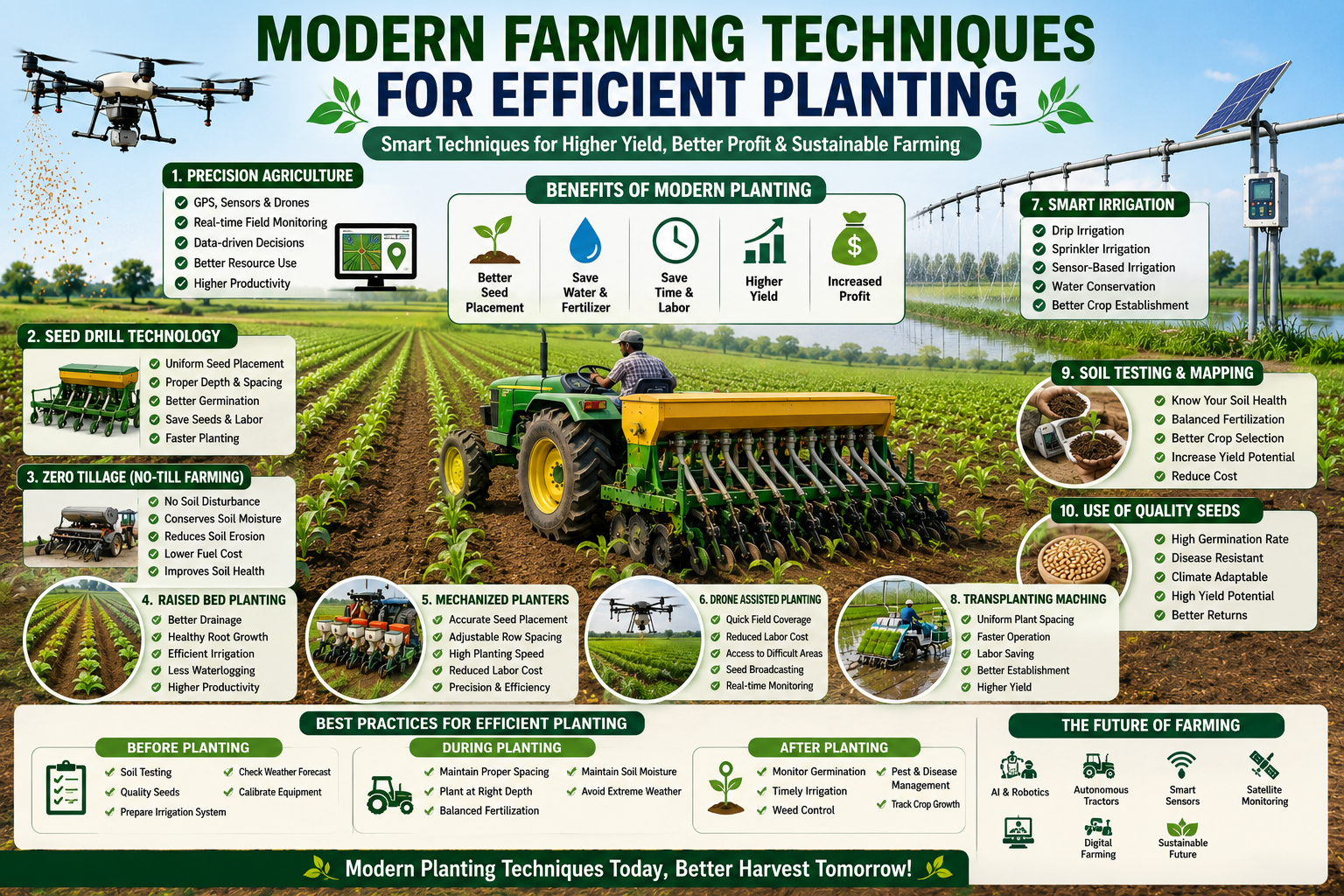
Precision farming is one of the most advanced methods of modern agriculture. It involves the use of technologies such as GPS, drones, sensors, artificial intelligence (AI), and satellite imaging to monitor and manage crops accurately.
Farmers can collect real-time data about soil moisture, nutrient levels, crop health, and weather conditions. Based on this data, fertilizers, pesticides, and water are applied only where needed.
Advantages:
- Reduces wastage of water and fertilizers
- Increases crop yield
- Saves labor and operational cost
- Improves environmental sustainability
Example:
Drones are used to spray pesticides evenly across large farms, reducing manual effort and improving efficiency.
2. Organic Farming
Organic farming is a method of agriculture that avoids the use of chemical fertilizers, pesticides, and genetically modified organisms (GMOs). Instead, it uses natural materials such as compost, green manure, and bio-fertilizers.
The main objective of organic farming is to maintain soil fertility and produce healthy food without harming the environment.
Important Practices:
- Composting
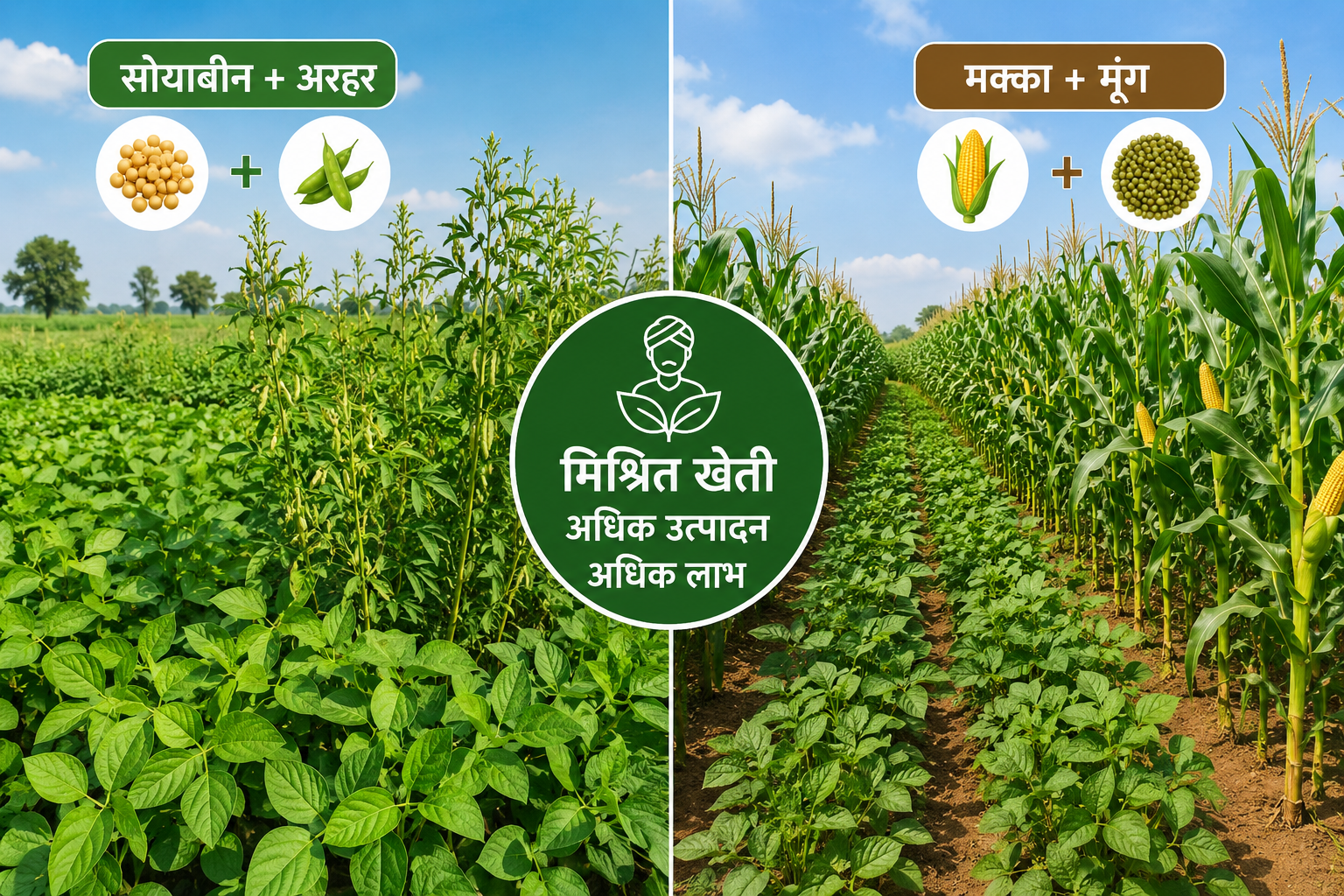
- Crop rotation
- Biological pest control
- Use of natural manure
Advantages:
- Produces chemical-free food
- Improves soil health
- Protects biodiversity
- Reduces pollution
Disadvantages:
- Lower yield in initial years
- Requires more labor and management
3. Drip Irrigation
Drip irrigation is a modern irrigation technique in which water is supplied directly to the roots of plants through pipes and small emitters.
Unlike traditional irrigation methods, drip irrigation minimizes water loss through evaporation and runoff.
Advantages:
- Saves up to 50–70% water
- Increases crop productivity
- Reduces weed growth
- Suitable for dry regions
Applications:
Widely used in fruit farming, vegetable cultivation, and greenhouse agriculture.
4. Hydroponics
Hydroponics is a soil-less farming technique where plants are grown in nutrient-rich water solutions.
Plants receive all necessary minerals directly from water, resulting in faster growth and higher productivity.
Features:
- Requires less space
- Uses less water
- Can be done indoors
- Produces crops throughout the year
Advantages:
- Faster crop growth
- No soil-borne diseases
- Ideal for urban farming
Example:
Leafy vegetables such as lettuce and spinach are commonly grown hydroponically.
5. Greenhouse Farming
Greenhouse farming involves growing crops inside glass or plastic structures where environmental conditions such as temperature, humidity, and light can be controlled.
This method protects crops from extreme weather conditions, pests, and diseases.
Advantages:
- Year-round cultivation
- Higher productivity
- Better quality crops
- Reduced pest attacks
Common Crops:
Tomatoes, cucumbers, flowers, and strawberries.
6. Crop Rotation
Crop rotation is the practice of growing different crops on the same land in a planned sequence.
Different crops require different nutrients. Rotating crops helps maintain soil fertility and reduces the spread of pests and diseases.
Example:
A farmer may grow wheat one season and legumes the next season.
Advantages:
- Improves soil nutrients
- Prevents soil erosion
- Reduces pest infestation
- Enhances productivity
7. Integrated Pest Management (IPM)
Integrated Pest Management is an eco-friendly approach to controlling pests using biological, mechanical, and limited chemical methods.
Instead of excessive pesticide use, IPM focuses on long-term prevention and ecological balance.
Methods Used:
- Biological control using natural predators
- Crop monitoring
- Trap crops
- Limited pesticide application
Advantages:
- Reduces environmental pollution
- Protects beneficial insects
- Safer for human health
8. Vertical Farming
Vertical farming is the practice of growing crops in vertically stacked layers using artificial lighting and controlled environments.
This method is mainly used in urban areas where land is limited.
Advantages:
- Requires less land
- Saves water
- Year-round production
- Reduced transportation cost
Technologies Used:
- LED lights
- Automated climate control
- Hydroponic systems
9. Mechanized Farming
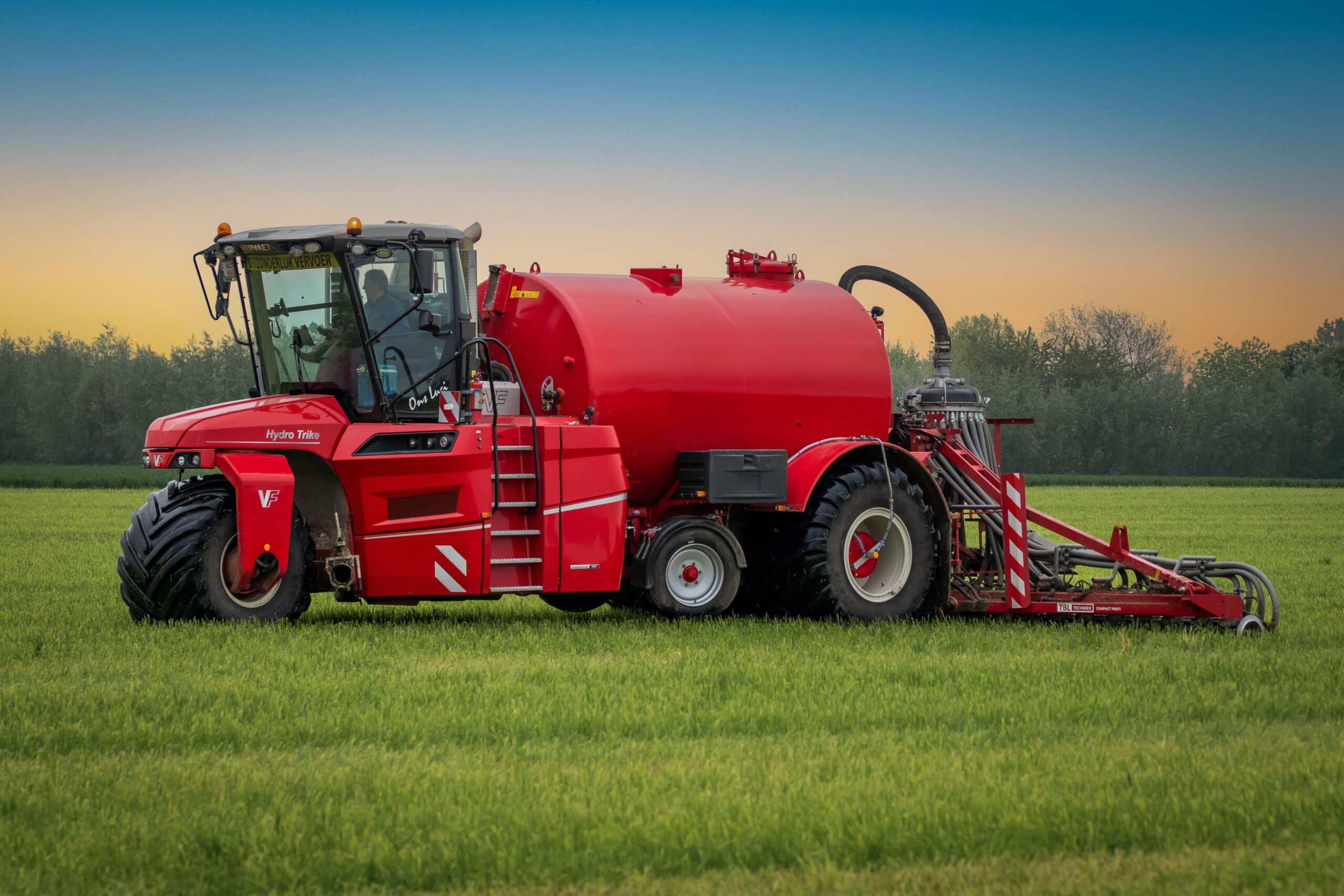
Mechanized farming involves the use of machines and equipment such as tractors, harvesters, seed drills, and threshers.
Modern machinery increases efficiency and reduces dependence on manual labor.
Advantages:
- Saves time and labor
- Increases production
- Improves farming efficiency
- Suitable for large-scale farming
Challenges:
- High initial investment
- Maintenance cost
10. Soil Testing and Nutrient Management
Soil testing helps determine the nutrient content and pH level of soil. Based on the results, farmers can apply the right type and amount of fertilizers.
Importance:
- Prevents overuse of fertilizers
- Maintains soil fertility
- Enhances crop growth
Advantages:
- Cost-effective farming
- Better crop quality
- Environment protection
11. Climate-Smart Agriculture
Climate-smart agriculture focuses on increasing productivity while adapting to climate change and reducing greenhouse gas emissions.
Objectives:
- Sustainable crop production
- Improved resilience to drought and floods
- Reduced environmental impact
Practices:
- Water conservation
- Drought-resistant crops
- Agroforestry
- Renewable energy use
12. Agroforestry
Agroforestry combines agriculture with tree cultivation. Trees are planted alongside crops or livestock.
Benefits:
- Prevents soil erosion
- Improves biodiversity
- Provides additional income
- Enhances soil fertility
Conclusion
Improved methods of agriculture are essential for meeting the food demands of the growing global population. Modern agricultural techniques not only increase productivity but also promote environmental sustainability and efficient resource management.
Technologies such as precision farming, hydroponics, greenhouse farming, drip irrigation, and climate-smart agriculture are transforming traditional farming into a smarter and more sustainable system.
For developing countries like India, adopting these advanced agricultural methods can improve farmers’ income, ensure food security, and support economic development. Therefore, modern agriculture plays a crucial role in building a sustainable future for coming generations.